A photo riddle in the park: where did I take this?
Photograph bark and stones close up on a familiar walk. Small clues in the picture turn your surroundings into a free guessing game with a friend.
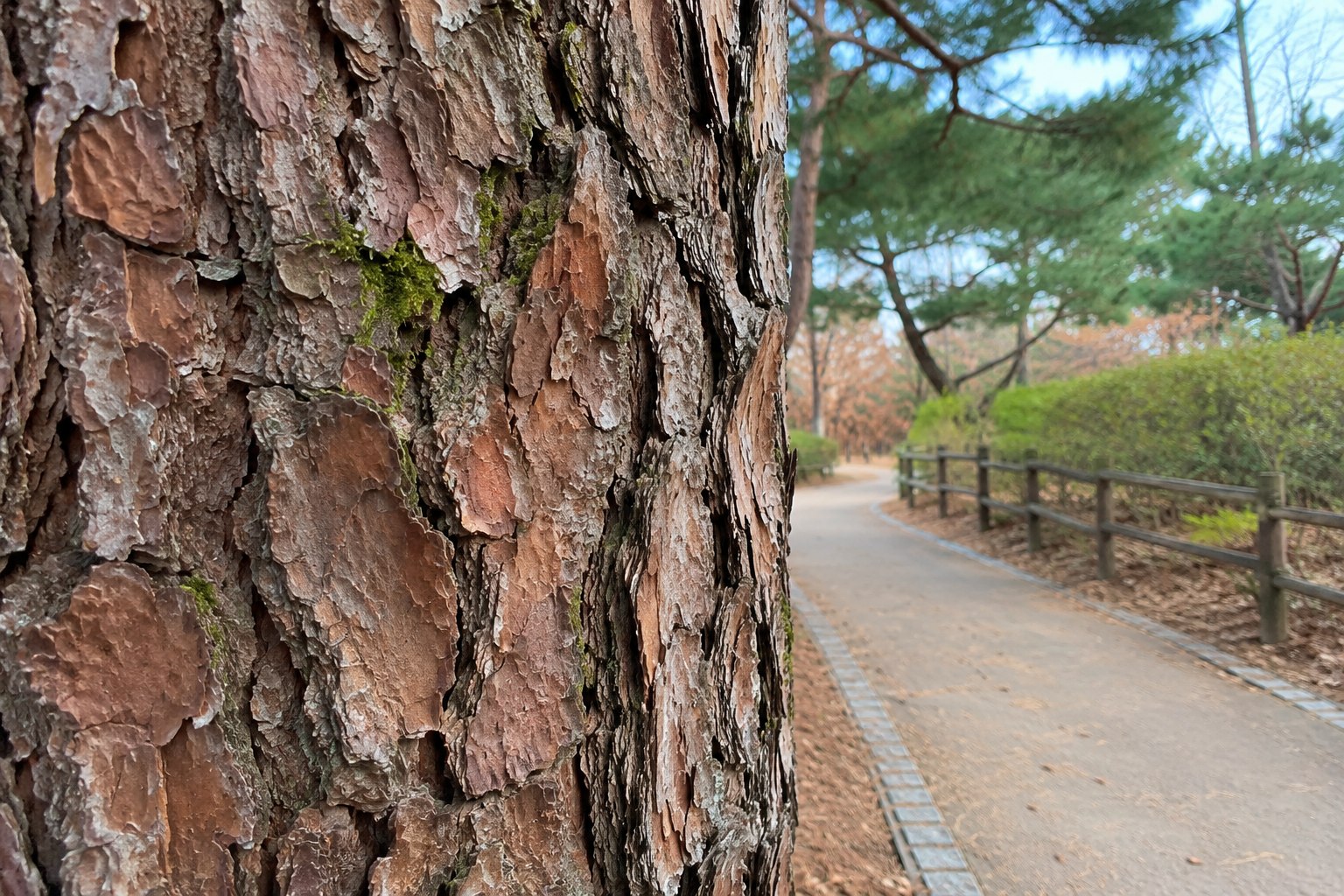
If your usual park feels all too familiar, show a friend a close-up photograph of tree bark and ask, “Where did I take this?” Hiding a little of the wider view turns the path you just walked into a riddle. Share one phone for 15–20 minutes, or make just one question each.
Get closer rather than going further away
Choose a small area to explore together first. A few trees visible from the park entrance will do. You do not need to separate to make the riddle difficult. Even on the same path, it can be surprisingly hard to recognise the small part a camera has captured.
Look for patterns: cracks in pine bark, tiny specks in a stone or grain in a wooden fence. You do not have to know a tree or stone’s name to use it. Look with your eyes and camera, without peeling or scratching anything.
If holding the phone too close makes the photo blurry, step back a little. You can zoom into the saved photo when showing it. A clear colour or pattern gives you more to discuss than an unrecognisable blur.
One colour clue, one shape clue
Start by showing only the photo. If your friend is unsure, add one clue at a time: “It’s grey with a little green.” “There are round dots.” Think together about where you might have seen it.
The person setting the riddle chooses whether to describe colour or shape first. After the clue, lower the phone and look around. Stop somewhere safe to check the picture again rather than walking while looking at the screen.
If it turns out to be the stone right beside you, look back and forth between the real thing and its photograph. A surface that looked plain grey from a distance may contain several colours.
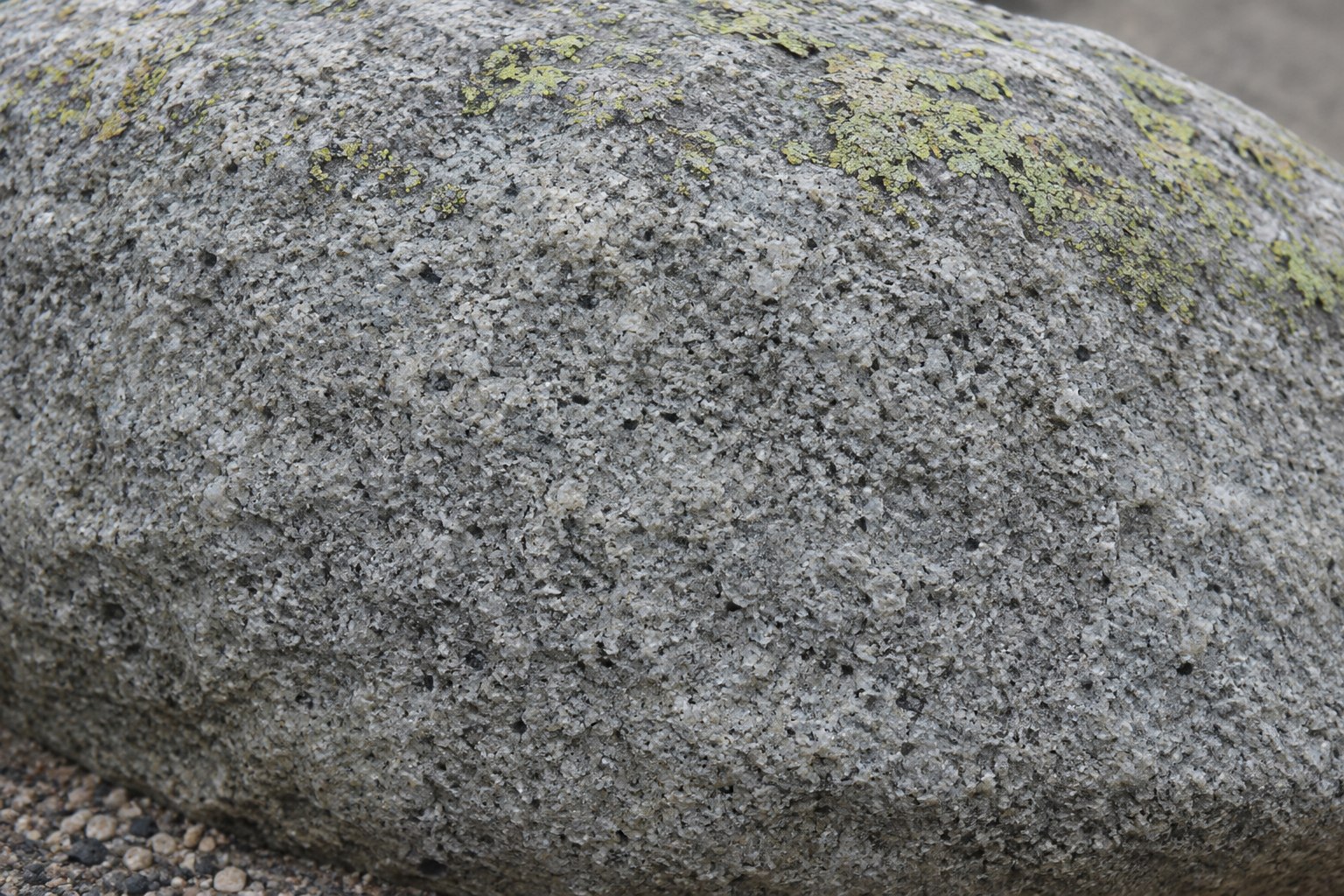
Too hard? Show a little more of the picture
With a younger sibling or child, include the edge of the tree or some ground around the stone from the start. You could offer a choice between two things directly in front of you. Young children should play with a caregiver and stay within sight.
With friends, swap roles after finding the answer. Instead of a timer or points, aim to hide just enough for the other person to recognise it. If a photo is impossible to guess, simply reveal the wider view.
For a November walk in Korea, plan a short daytime outing and finish before it gets cold or dark. Exclude roads, cycle lanes, water edges and flower beds from the game. Keep other people’s faces and name badges out of your photos too.
A photograph you remember, not just an answer
You can play with your phone’s ordinary camera and photo gallery. If you find a colour you love, another day you could try turning colour spotting into a picture.
In Color Rush, choose a colour from the picture’s palette and take a new photo with the app’s camera. If its colour meets the picture’s similarity requirement, part of the blank image fills in. This is different from importing your saved riddle photo.
Before leaving, choose one of each other’s questions. Not the hardest one: the one that became most interesting once you knew the answer. It may show you the little things your friend had been noticing.